Image


Professor Frank Behrens is Professor of Translational Rheumatology, Immunology and Inflammation Medicine and Head of the Inflammation Clinic, University Hospital, Frankfurt am Main, Germany, and Deputy Director, Fraunhofer Institute for Translational Medicine & Pharmacology (ITMP), Goethe University, Frankfurt am Main. He is also a member of the board of directors of the Fraunhofer Cluster of Excellence for Immune-Mediated Disease (CIMD).
Professor Behrens studied biology at the Johannes Gutenberg University in Mainz, Germany, before going on to study human medicine. He completed his doctorate in haematology and oncology before training in internal medicine and rheumatology.
Professor Behrens' main research interest is the pathophysiological understanding of spondyloarthritis, rheumatoid arthritis and mixed connected tissue disease. The focus is on understanding the links between these rheumatic conditions and associated skin and bowel diseases. The aim of the work is to develop new drug therapies and implement personalised treatment approaches using combined biomarker analyses and new imaging techniques. Since 2001, he has gained experience in clinical research and development as Principal Investigator, Chief Investigator and Managing Investigator. He is responsible for several investigator-initiated studies in rheumatic diseases.
Professor Behrens has published numerous articles in peer-reviewed journals and is author of several textbooks in the field of rheumatic diseases.
Professor Behrens is a member of various international committees and study groups such as the Group for Research and Assessment of Psoriasis and Psoriatic Arthritis (GRAPPA), the Expert Panel Measures in Pulmonary Arterial Hypertension Related to Outcome of Systemic Sclerosis (EPOSS) and the Psoriatic Arthritis Genetic European Consortium (PAGE).
Discover insights on how collaborative approaches can improve rheumatic care for women of childbearing age
Explore factors impacting RA and axSpA management, such as radiographic progression, and sex and gender differences.
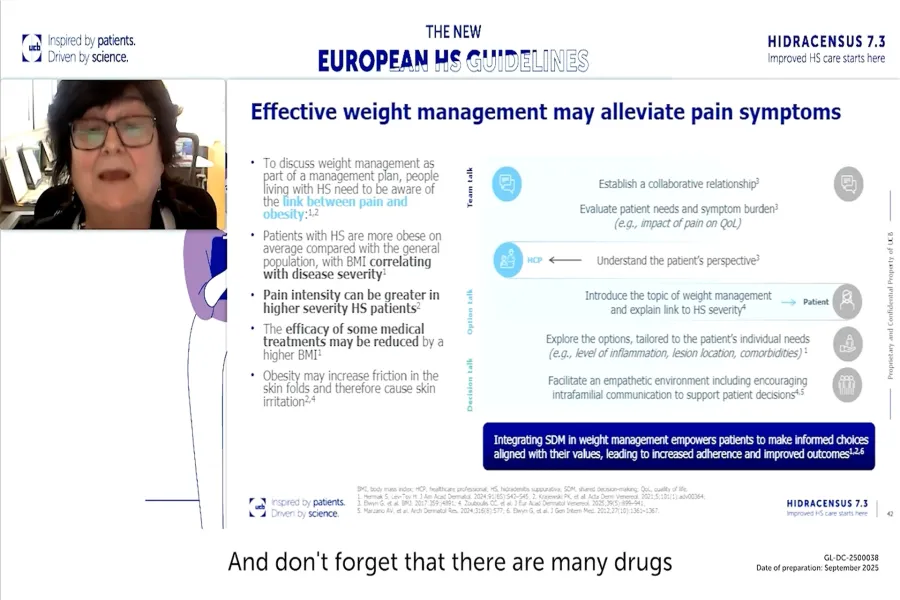
Integrating holistic care through guideline recommendations with patient-reported outcomes and shared decision-making
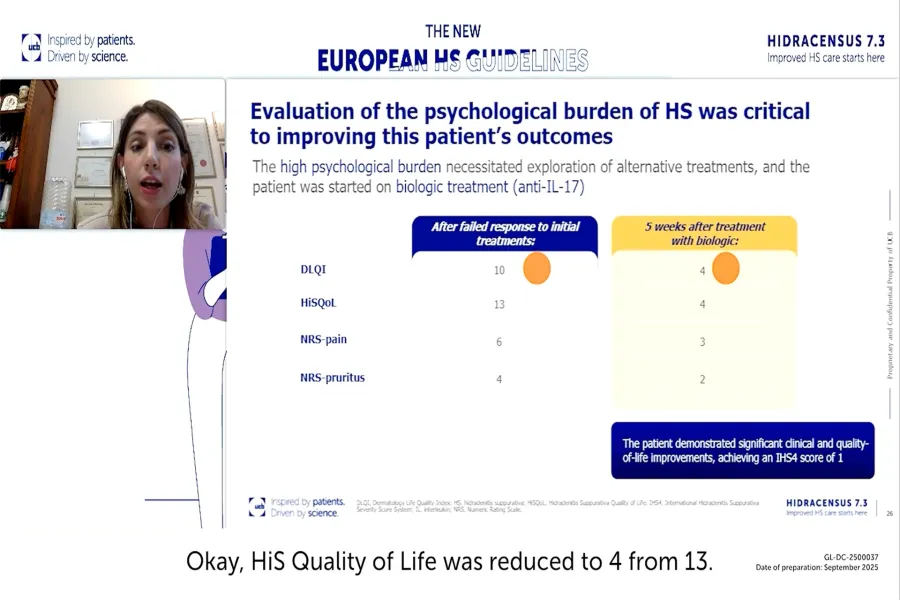
Personalised HS care: Addressing the multi-faceted burden of HS with a case study example
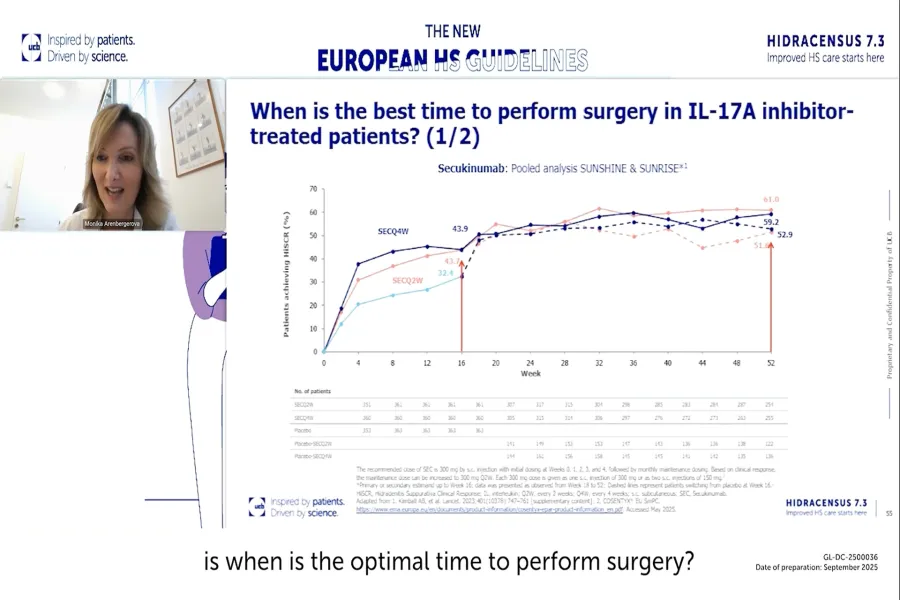
The role of combined medical/surgical and medical-only treatments, including the optimal time for intervention
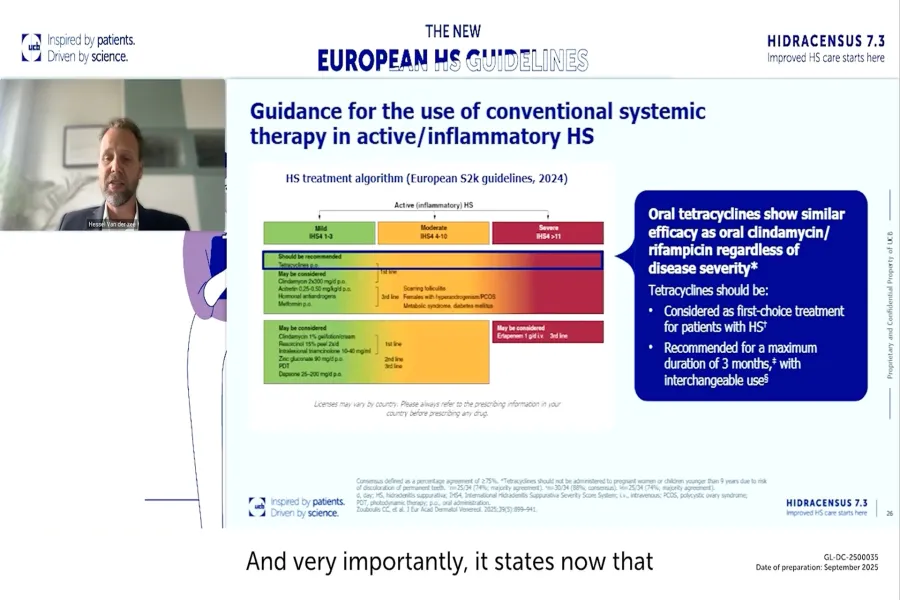
Key guideline updates including management algorithms for inflammatory and non-inflammatory HS phenotypes