Image

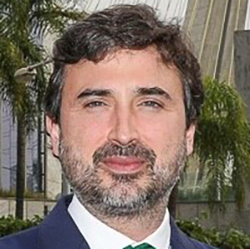
Dr Antonio Martorell is a dermatologist at the Hospital de Manises in Valencia, Spain, and an Associate Professor of dermatology at the Catholic University of Valencia. He founded and leads a specialised unit focused mainly on the management of patients with psoriasis, hidradenitis suppurativa and related comorbidities.
Dr Martorell received his degree in medicine and surgery from the University of Valencia and specialised in dermatology at Hospital Instituto Valenciano de Oncología, Valencia, an international reference centre in surgery and oncology.
Dr Martorell’s main scientific areas of interest are psoriasis, hidradenitis suppurativa and hair disorders. His recent research has focused on the epigenetic pathways of hidradenitis suppurativa and skin ultrasound, and he is the founder of the DERMUS Task Force. Dr Martorell has authored 217 PubMed articles and has been the invited speaker for 351 lectures covering topics including psoriasis, hidradenitis suppurativa and skin cancer. He is also the Principal Investigator of over 20 clinical assays in phase II, III and IV clinical trials. In addition, Dr Martorell is the founder and coordinator of the Spanish Working Group on Hidradenitis Suppurativa (GTHS), and since 2022, he has led the innovation and research area of the Spanish Academy of Dermatology and Venereology (AEDV). Dr Martorell is also director of the IADERMA course leading a group focused on eHealth oriented to the development of ICT solutions with the aim of improving basic medical procedures during this new technological era. Dr Martorell holds the position of health manager and project coordinator at E-health in SKIANA®.
Discover insights on how collaborative approaches can improve rheumatic care for women of childbearing age
Explore factors impacting RA and axSpA management, such as radiographic progression, and sex and gender differences.
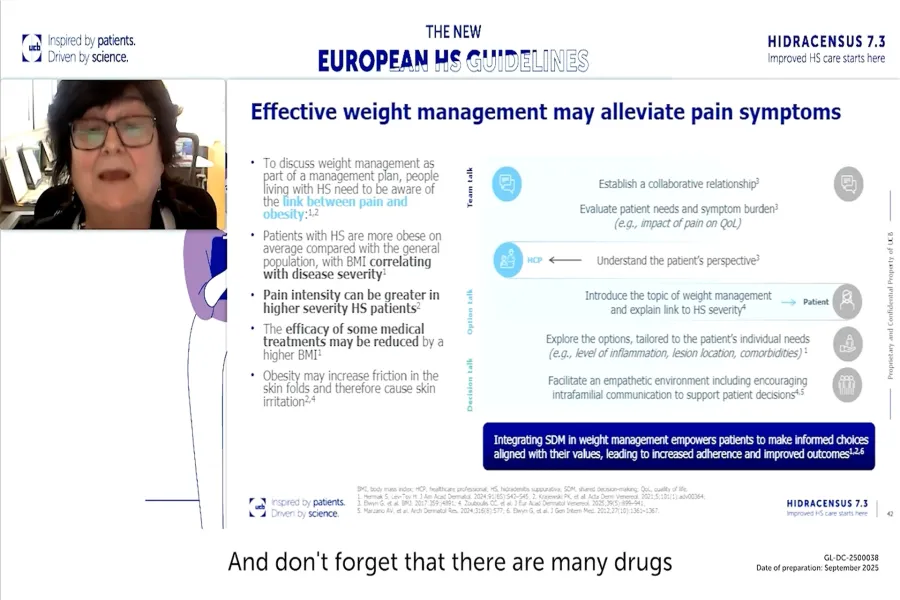
Integrating holistic care through guideline recommendations with patient-reported outcomes and shared decision-making
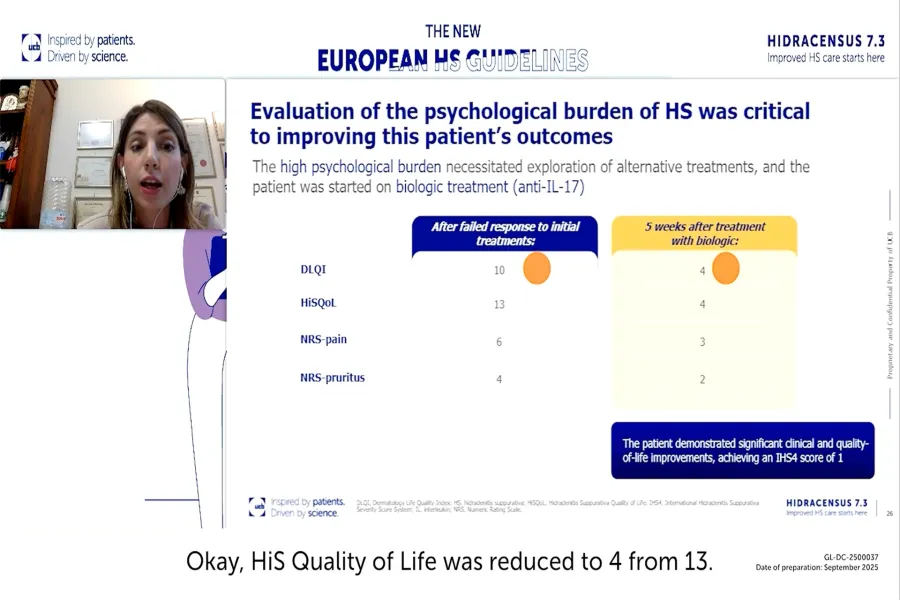
Personalised HS care: Addressing the multi-faceted burden of HS with a case study example
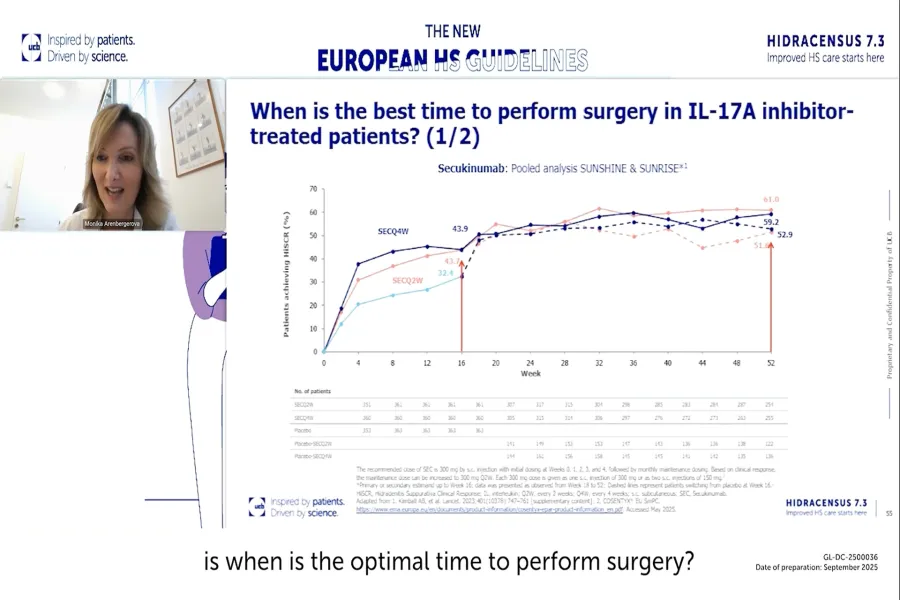
The role of combined medical/surgical and medical-only treatments, including the optimal time for intervention
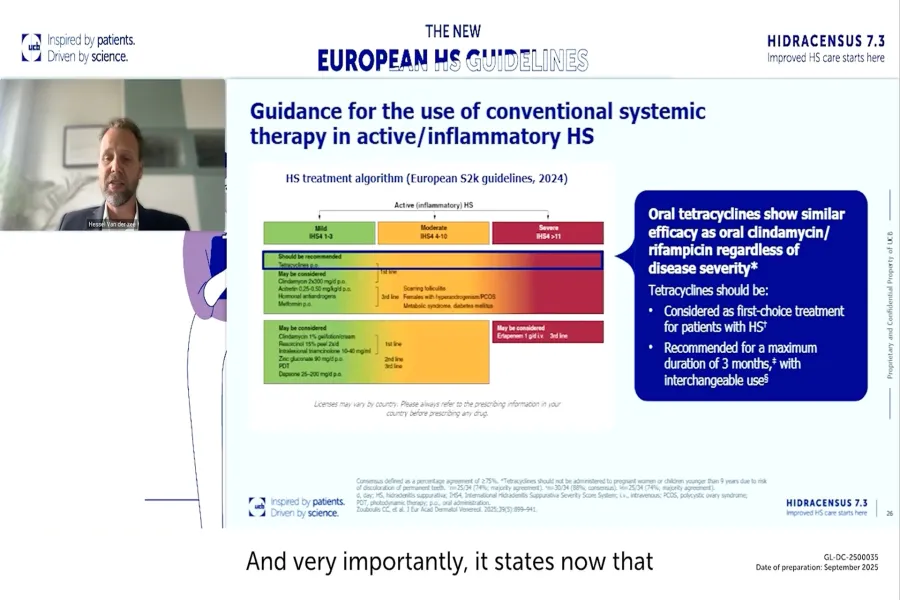
Key guideline updates including management algorithms for inflammatory and non-inflammatory HS phenotypes