Image

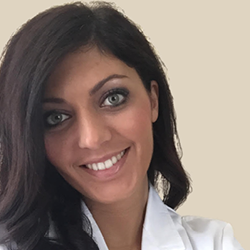
Dr Annunziata (Nancy) Dattola is Researcher at the Department of Dermatology, University of La Sapienza in Rome, Italy.
Her main field of interest is the diagnosis and treatment of inflammatory skin diseases. In 2013, Dr Dattola completed a 2-year fellowship at the Laboratory for Investigative Dermatology at the Rockefeller University, New York, NY. During her fellowship, she focused on psoriasis, metabolic syndrome and imaging such as positron emission tomography (PET)/computerised tomography (CT), sono-elastography, and CT angiography, in the diagnosis of patients with psoriasis. In January 2021, she completed her PhD in Biochemistry and Molecular Biology with a thesis entitled: “Results of two different biological treatments in patients with PsO and PsA, and detection of early arthritis”.
Dr Dattola’s current research includes projects on biological agents for the treatment of psoriasis, laser and cosmetology. She is also involved in numerous phase III clinical trials and is author of many papers on these topics. She completed 3 years of research at the University of Rome Tor Vergata from 2018 to 2021.
Dr Dattola is a member of the “Italian task force” for women with psoriasis, member of the Italian Society of Dermatology and Venereology (SIDeMaST), member of the European Academy of Dermatology and Venereology (EADV) and member of the local organising committee for the World Congress of Dermatology 2019 Milan, Italy.
Discover insights on how collaborative approaches can improve rheumatic care for women of childbearing age
Explore factors impacting RA and axSpA management, such as radiographic progression, and sex and gender differences.
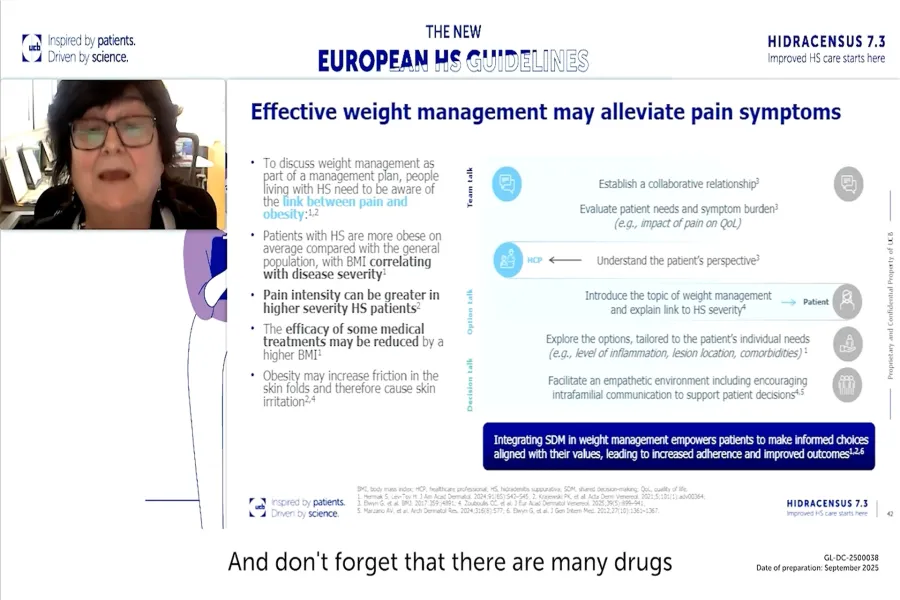
Integrating holistic care through guideline recommendations with patient-reported outcomes and shared decision-making
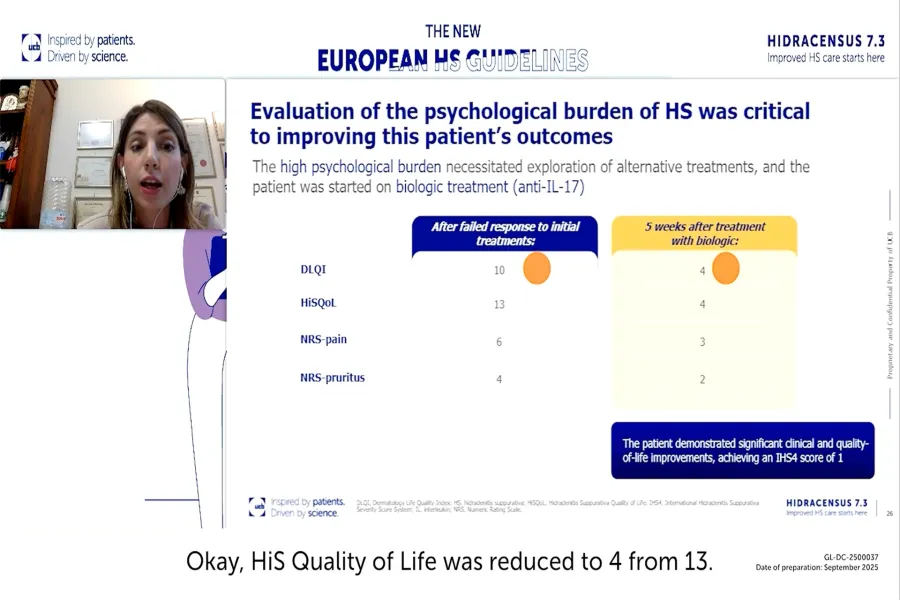
Personalised HS care: Addressing the multi-faceted burden of HS with a case study example
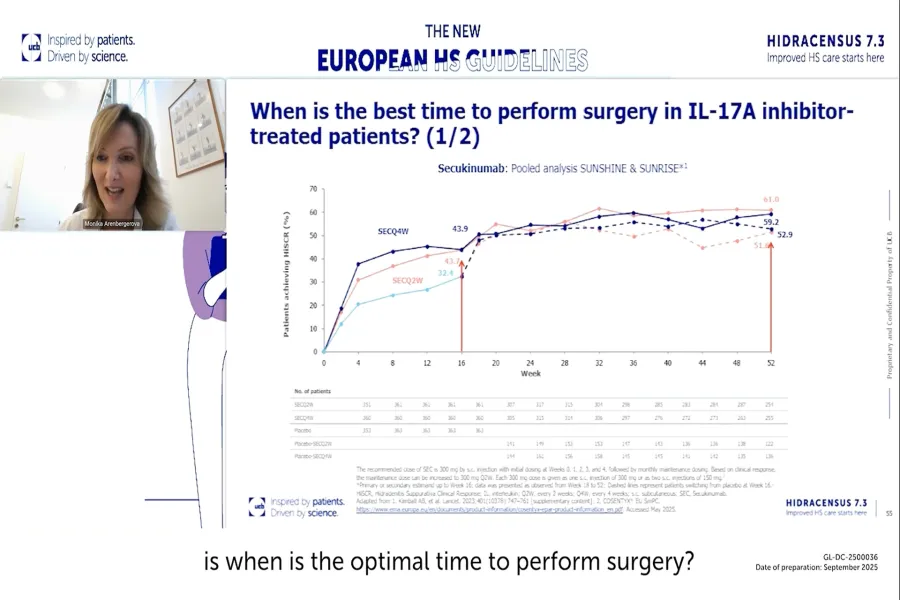
The role of combined medical/surgical and medical-only treatments, including the optimal time for intervention
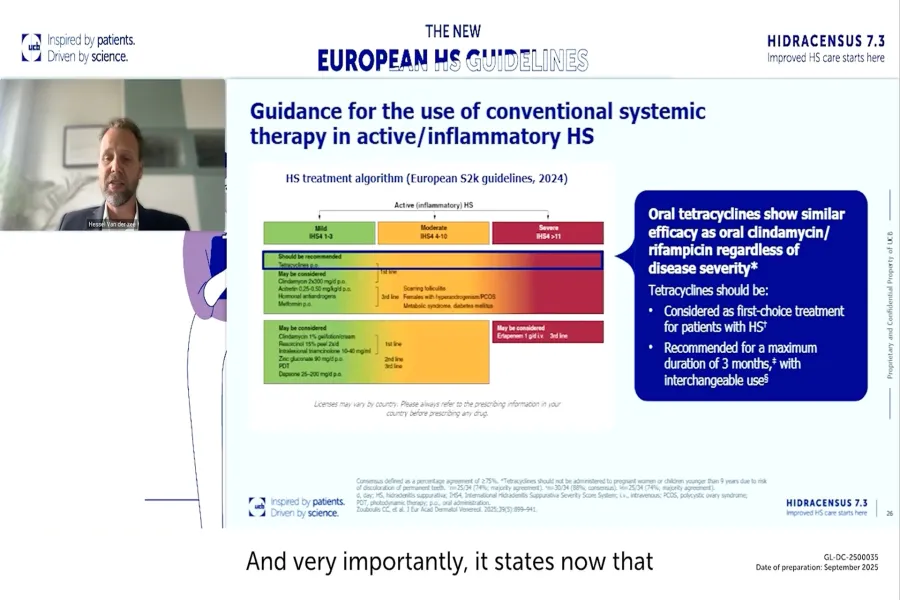
Key guideline updates including management algorithms for inflammatory and non-inflammatory HS phenotypes