Image

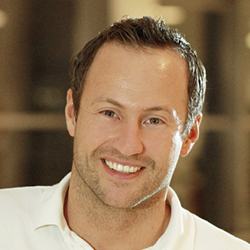
Professor Xenofon Baraliakos is the Head of Rheumatology at the Rheumazentrum Ruhrgebiet, Herne, Germany, and Professor for Internal Medicine and Rheumatology at the Ruhr-University Bochum, Germany.
He studied human medicine at the University of Magdeburg, Berlin, Germany, and received his PhD degree in 2005. Professor Baraliakos was awarded his official Board Degree in orthopaedic surgery in 2007, and in internal medicine and rheumatology in 2014. His research interests include clinical and academic research in the field of spondyloarthritis, with special emphasis on imaging outcomes and treatment of the disease.
Among others, Professor Baraliakos won the European Workshop for Rheumatology Research (EWRR) Award in 2005, the European Alliance of Associations for Rheumatology (EULAR) Young Investigator Award in 2006 and 2008, the German Patient’s AS Society Award in 2010 and the Award for Excellence in Clinical Research from the European Society for Clinical Investigations (ESCI) in 2014.
Professor Baraliakos is the current president of the Assessment of Spondyloarthritis International Society (ASAS) and past Chair of the EULAR standing committee for musculoskeletal imaging. He also acts as a reviewer and is an associate editor in a number of major rheumatological journals.
Play the animation to accompany Assoc. Prof Philipp Sewerin in deciphering the role of extracellular cytokine targets in SpA pathobiology.
From practical tips to strategies that help support your patients' emotional well-being, find out how you can help your patients make positive changes
Many people with HS encounter a variety of medical experts from different specialties. Introduce your patients to the people they may meet along the way
Help your patients separate fact from fiction with this myth-busting guide to what HS really is and isn't
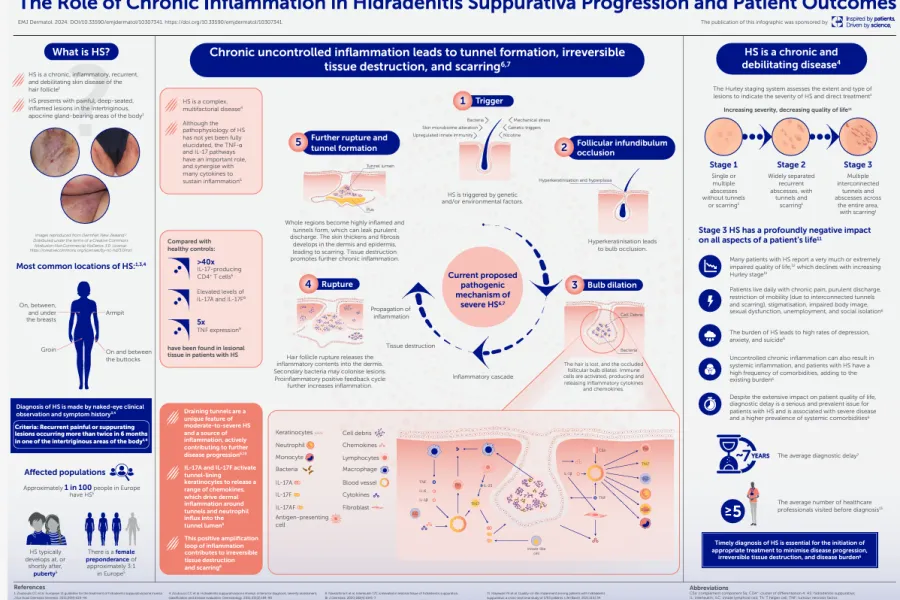
This infographic outlines the six proposed stages of HS pathogenesis and highlights the immune cells involved in the progression of HS
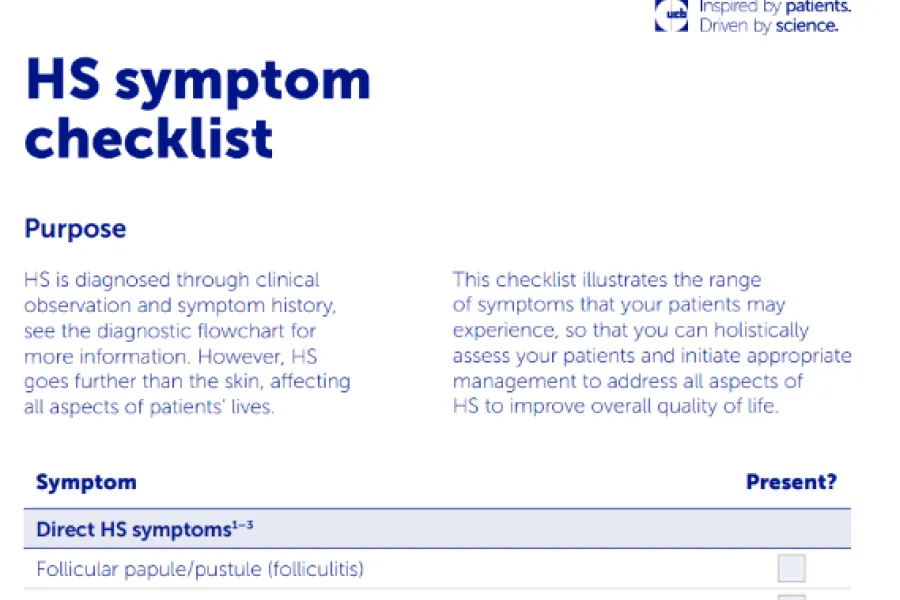
The symptoms of HS go beyond skin deep. For the true burden of HS and to facilitate holistic care, see the full list of symptoms that patients may experience